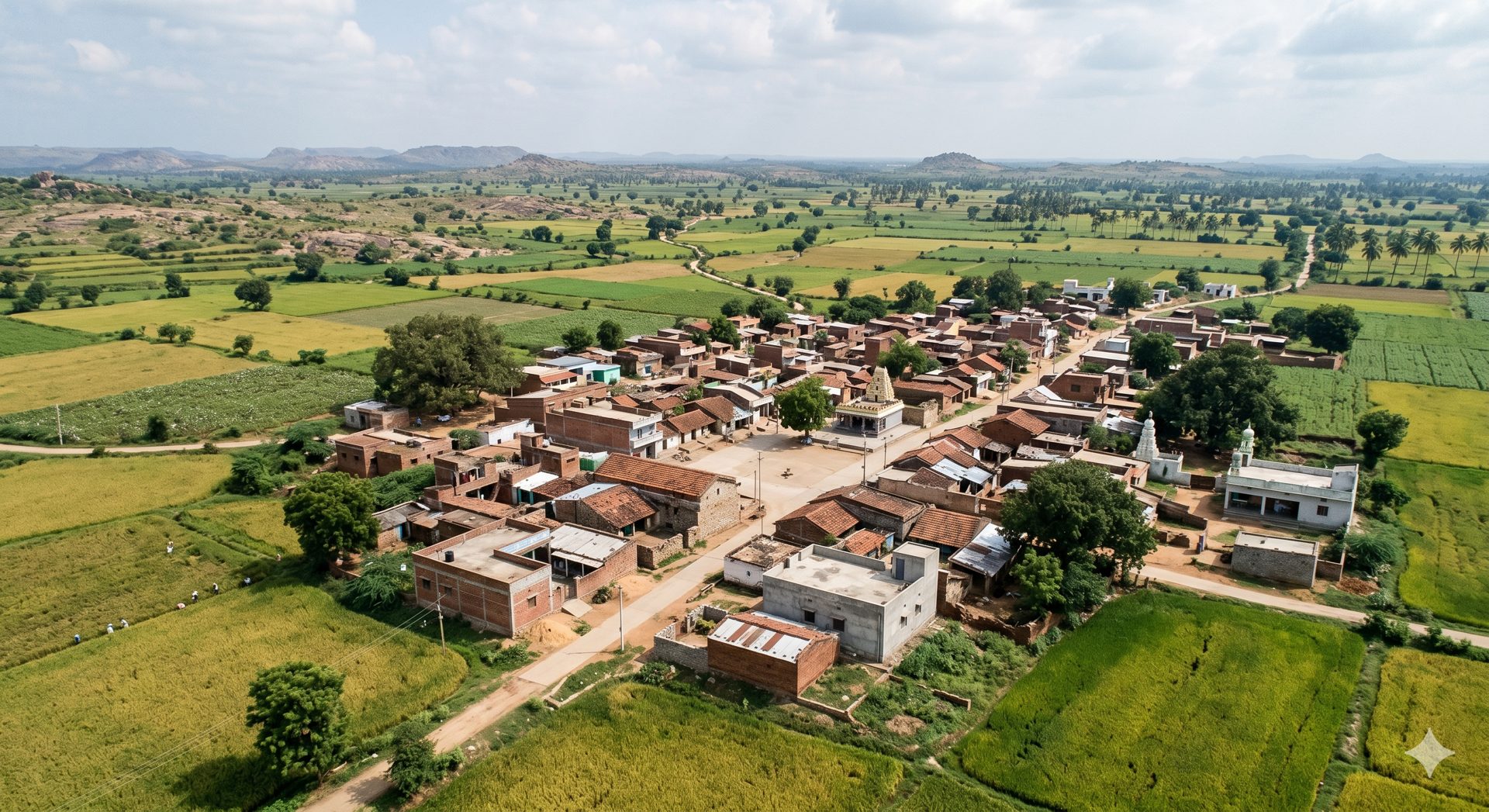
Cancer screening that comes to the village.
Telangana records about 52,000 new cancer cases a year, and two out of three are found too late to treat well. Most of those cancers are detectable with a simple exam that rural families cannot reach.
We are putting a fully equipped screening unit on the road so the exam reaches them instead.
A personal project of radiation oncologist Dr. Vineel Pampati. Donations are processed on GoFundMe.
The goal
$500,000
Enough to put one screening unit on the road, staffed and stocked, and keep it moving village to village across Telangana.
- 1
- fully equipped screening unit
- 6
- screening methods on board
- 33
- districts of Telangana within reach
- ₹0
- charged to anyone, ever
A crisis hidden in plain sight
Telangana carries one of India's heaviest cancer burdens, yet almost nobody is screened. The numbers tell the whole story.
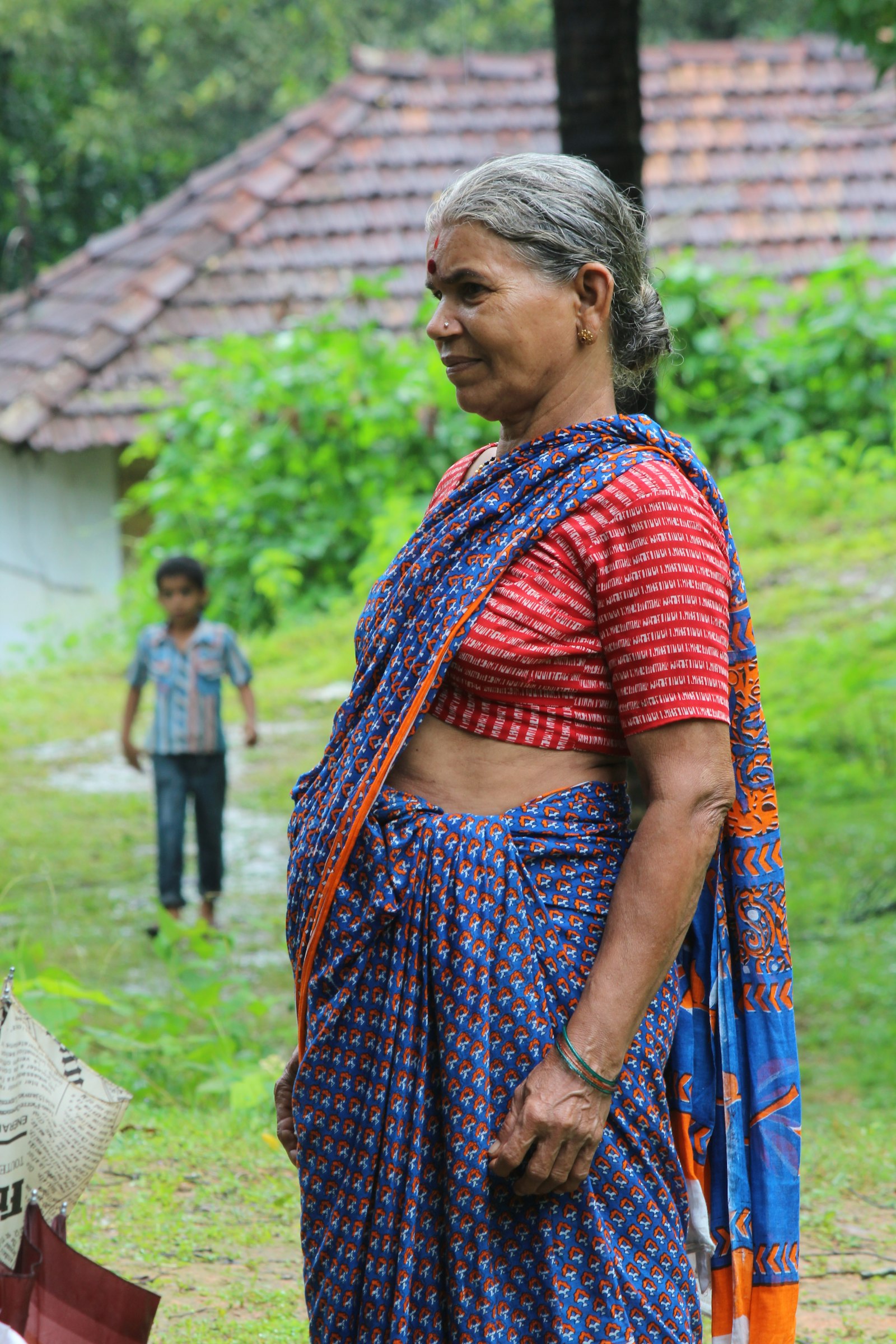
- 52,000
- new cancer cases in Telangana every year
- 67%
- of cancers in India are diagnosed at an advanced stage
- 1.9%
- of eligible Indians have ever been screened
- 95%
- ten-year survival for cervical cancer caught early
Sources: ICMR-NCDIR (2024), Lancet Global Burden of Disease Study, NIH peer-reviewed research.
What a donation does
There is no minimum. The name of this project is literal: coins add up to camps, and camps find cancers while they can still be cured.
Rupee figures are Dr. Vineel's cost estimates on the ground in Telangana, not exchange-rate conversions. Actual bills are published after every camp.
The difference between 95% and 45% survival is an exam
The problem has a size
Telangana sees an estimated 52,000 new cancer cases a year, growing about 2.5% annually. The cancers that most affect women here, breast, cervical, and ovarian, are exactly the ones a simple, low-cost exam can catch early. Yet fewer than a third of Indian women aged 30 to 49 have ever been screened, and in rural Telangana the share is far lower. Screening does two jobs at once: it finds disease, and it teaches a village what to look for.
ICMR-NCDIR; NFHS-4 National Family Health Survey
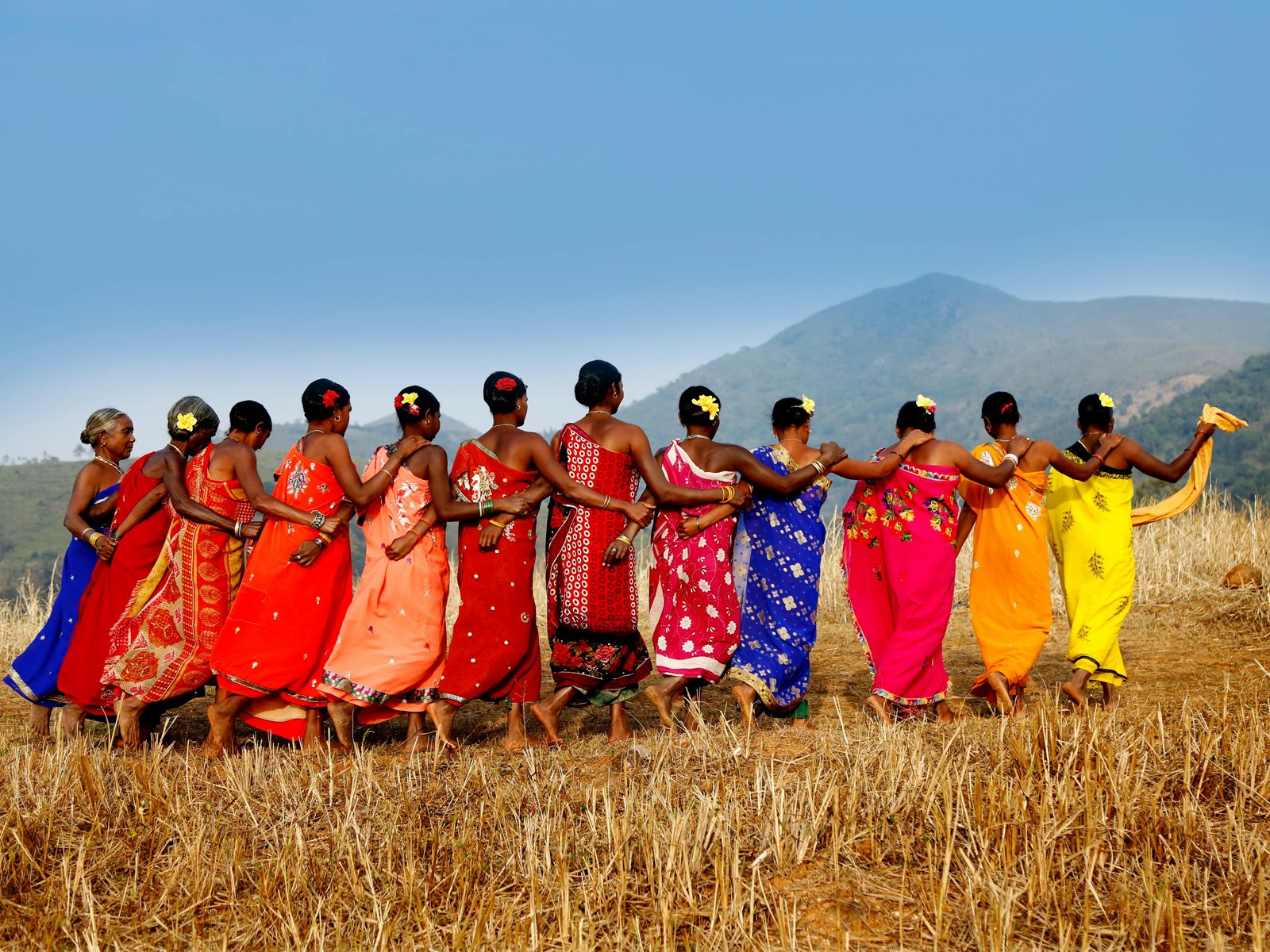
That distance, from near-certainty to a coin flip, is what a missing screening program costs. Women in Telangana's villages are on the wrong side of it because of access, not biology.
Cervical cancer, ten-year disease-free survival vs three-year survival. NIH peer-reviewed research, 2023 (PMC10291770, PMC12392362).
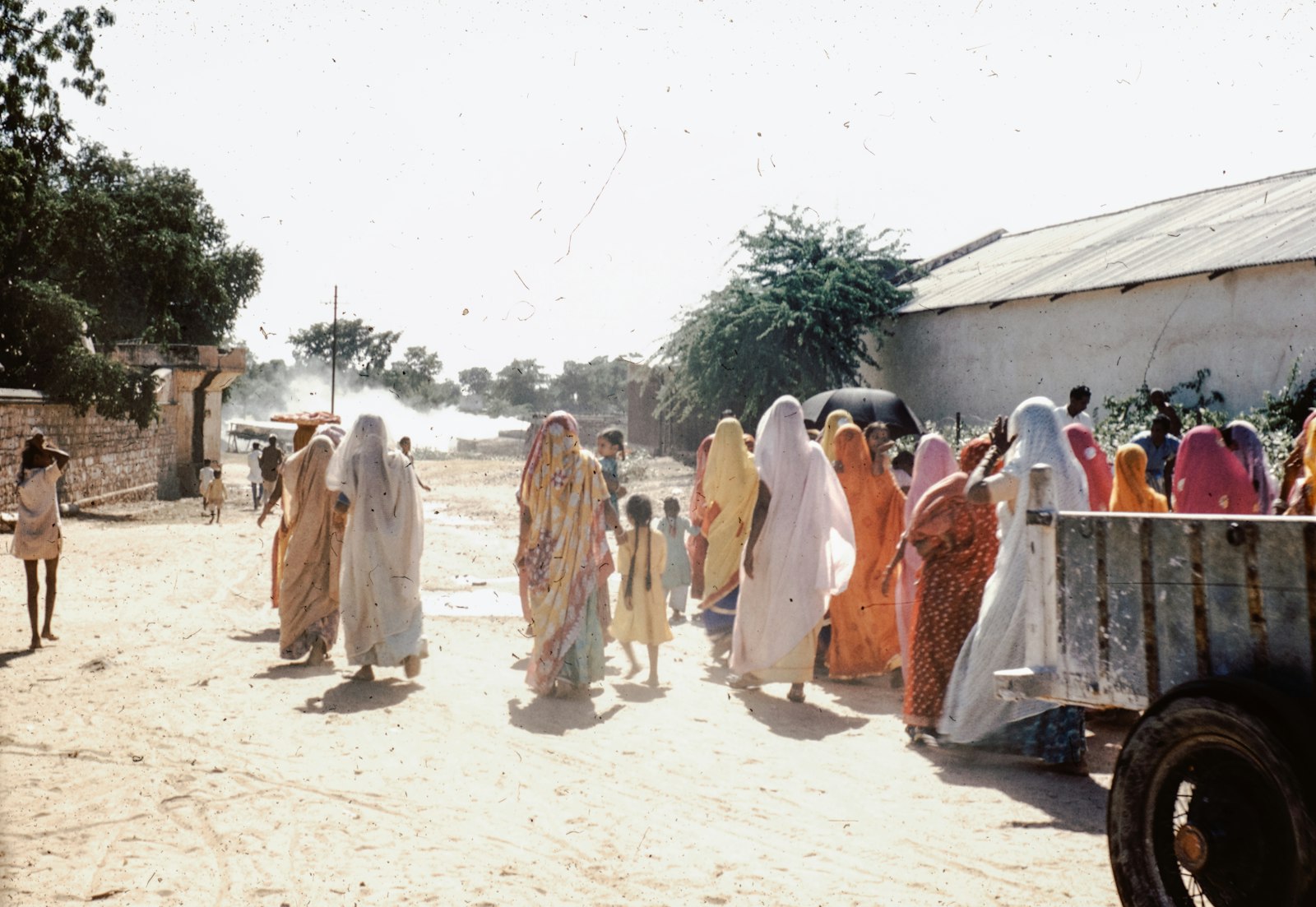
Mobile screening is already proven
A 2021 NIH-published study followed a mobile cervical screening program in rural India: 190 camps across 58 locations, and 92.8% of the 3,821 registered women accepted screening. When care comes to the village, women show up. The model works. It needs a vehicle, a team, and fuel.
PMC8408397, community-based mobile cervical cancer screening, rural India
The screening bus
One vehicle, fully equipped for breast, cervical, abdominal, and oral cancer screening, able to reach any village in Telangana. It serves women aged 30 to 65 who have never been screened, and men for oral screening, free of charge.
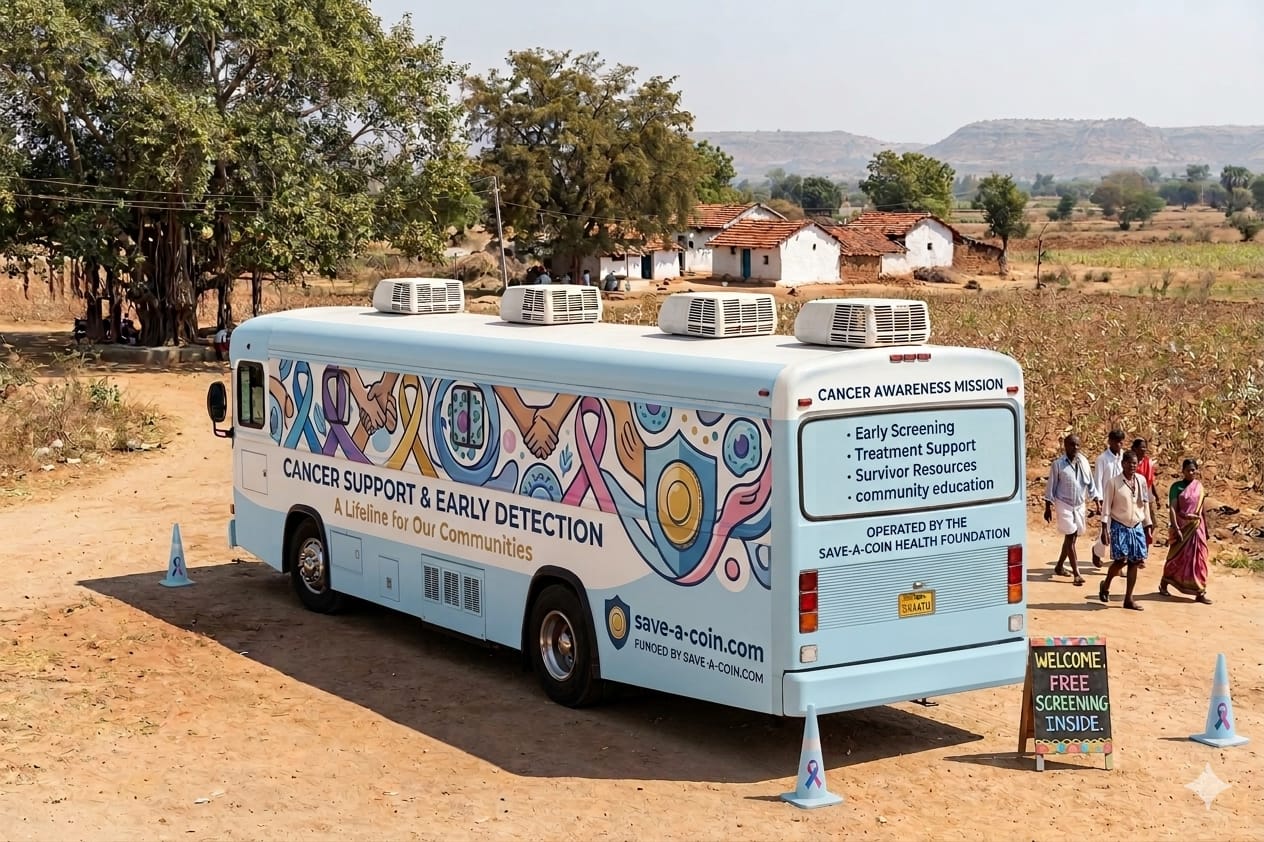
What the unit screens for
- MammographyBreast cancer
- Pap smearCervical cancer
- VIA test and colposcopyCervical cancer, same-day follow-up
- Abdominal ultrasound (USG)Upper GI cancers
- Oral screeningOral cancer, for men and women
Every test is free. Anyone with a suspicious finding is walked to a partner hospital, not handed a leaflet.
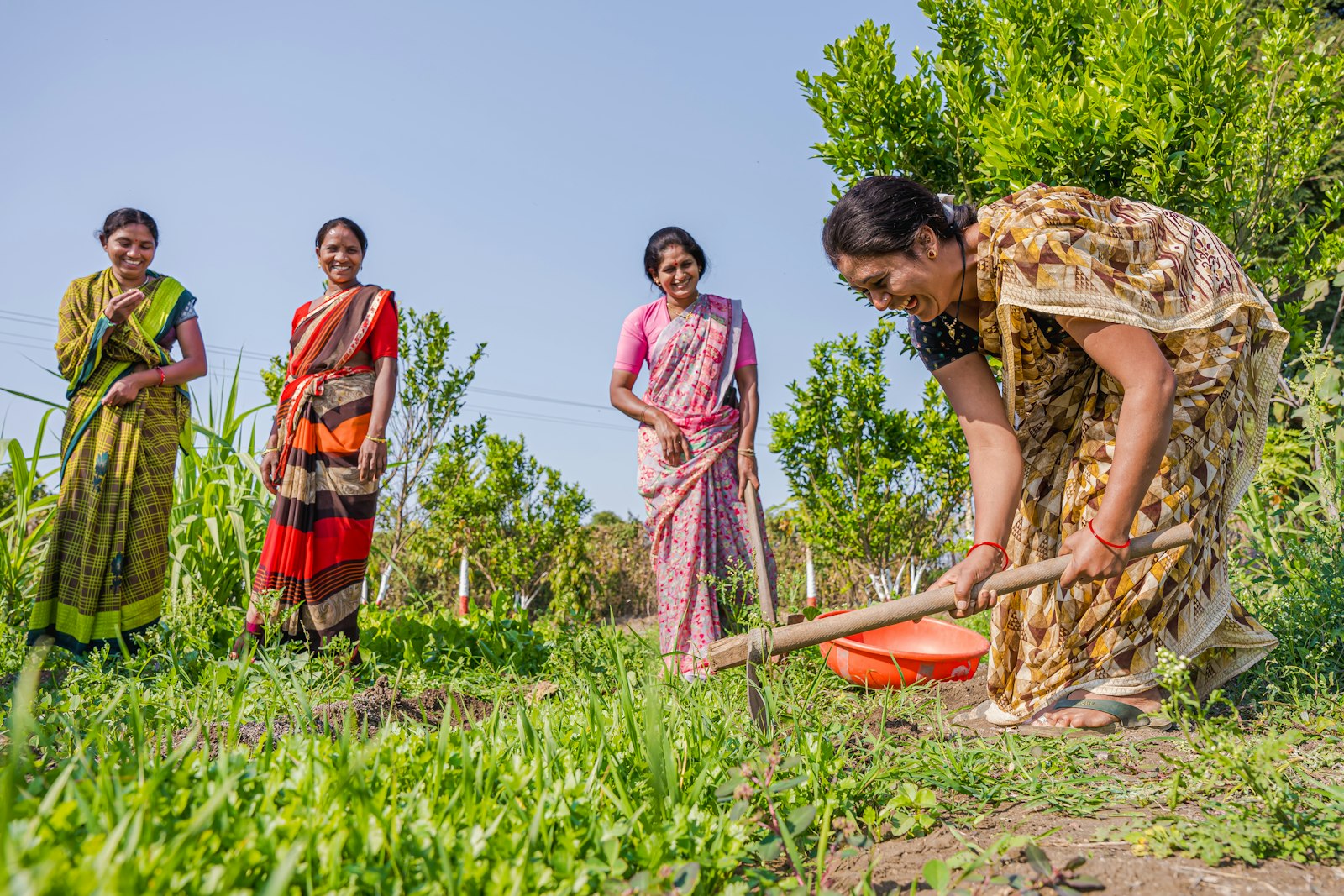
A camp day, start to finish
- Community outreachLocal health workers announce the camp door to door.
- Camp setupThe unit parks at a school or panchayat office for the day.
- Free screeningMammography, Pap smear, VIA and colposcopy, abdominal ultrasound, and oral screening, at no cost, ever.
- Risk detectionSuspicious findings are documented on the spot.
- ReferralWomen who need follow-up are referred to partner hospitals.
- Treatment navigationThe team stays with each case until treatment begins.
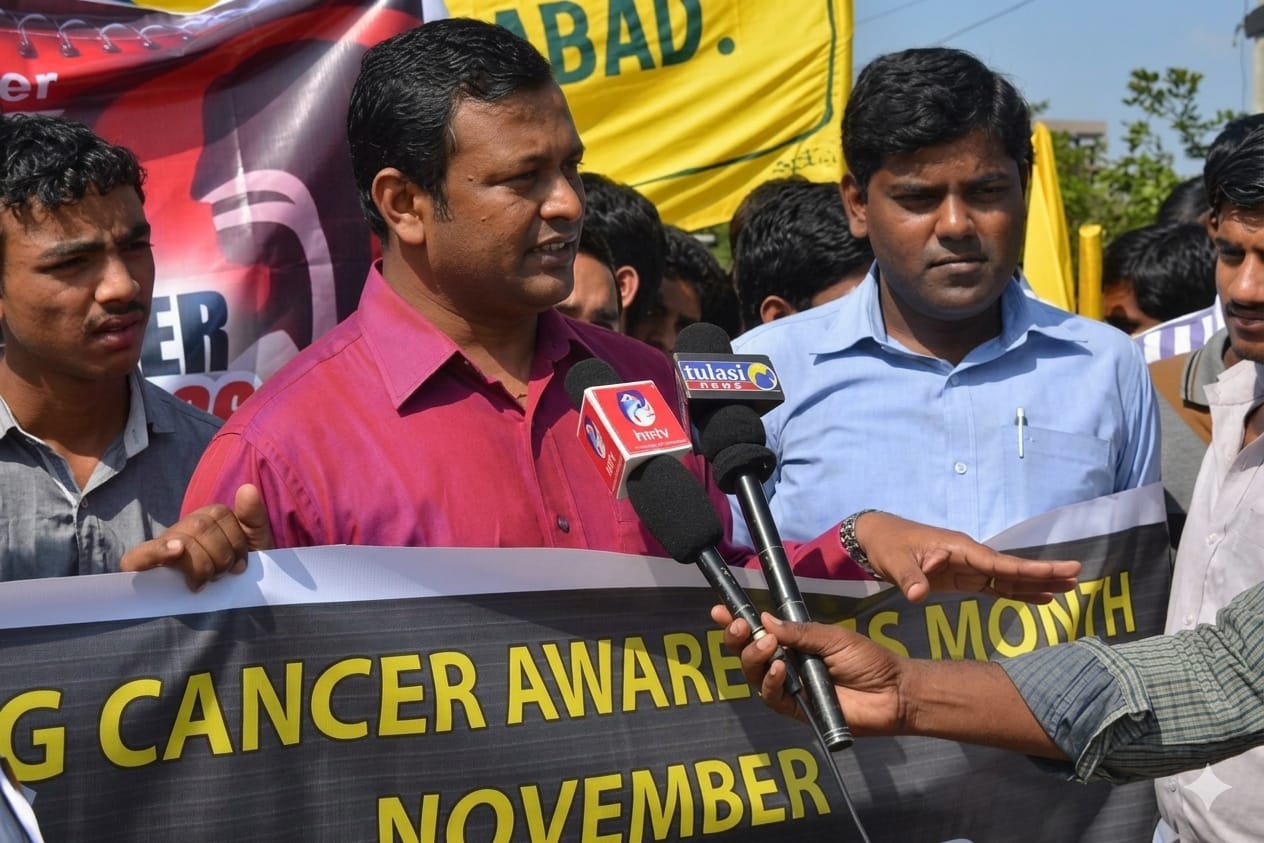
Dr. Vineel Pampati
Consultant Radiation Oncologist
The doctor who got tired of late diagnoses
Dr. Vineel Pampati has spent 23 years treating cancer at the machine end of the problem: radiation therapy, brachytherapy, chemotherapy. For much of that time he has been delivering the same conversation, telling a patient that a cancer which could have been cured a year ago is now advanced.
Screening is the part of oncology that happens before the hospital, and for most of rural Telangana it simply does not exist. Save a Coin is his personal answer: bring the exam to the village so the hospital conversation happens early, when it can still change the outcome.
“We're not building a charity. We're closing a gap.”
Credentials
- Consultant Radiation Oncologist, Omega Hospital, Hyderabad
- 23 years in clinical oncology: IGRT, IMRT, RapidArc, brachytherapy, chemotherapy
- Pain and palliative care specialist
- ECFMG certified
- Founder, Save a Coin
- Founder, Damru Shakthi Health Services
- Currently writing a book on the journey of a cancer patient
Three cancer groups, all catchable on a bus
Breast cancer
35.5% of all female cancers in Telangana. Hyderabad has the highest incidence rate in the state. Screened by mammography on the unit.
Cervical cancer
The second most common cancer in Indian women, and 95% survivable when found early. Screened with a Pap smear and the low-cost VIA test, with colposcopy on board for follow-up.
Oral and upper GI cancer
Oral cancer is the most common cancer among men in Hyderabad district, driven by tobacco use. An oral exam and an abdominal ultrasound on the unit catch oral and upper gastrointestinal cancers early.
Source: ICMR "Profile of Cancer, Telangana 2021"; Hyderabad Population-Based Cancer Registry.
Where the money goes
We do not publish a planned percentage split. We publish what each camp actually cost, with the bills.
- Every camp gets a public expense reportAfter each camp we post the full cost breakdown on this page.
- Bills, not estimatesEach report is backed by the actual receipts for fuel, kits, staff, and logistics.
- Photos from the fieldPictures from every camp are published alongside its expenses.
- Quarterly impact reportsSent to every donor who asks; the first one is posted here once the unit is operating.
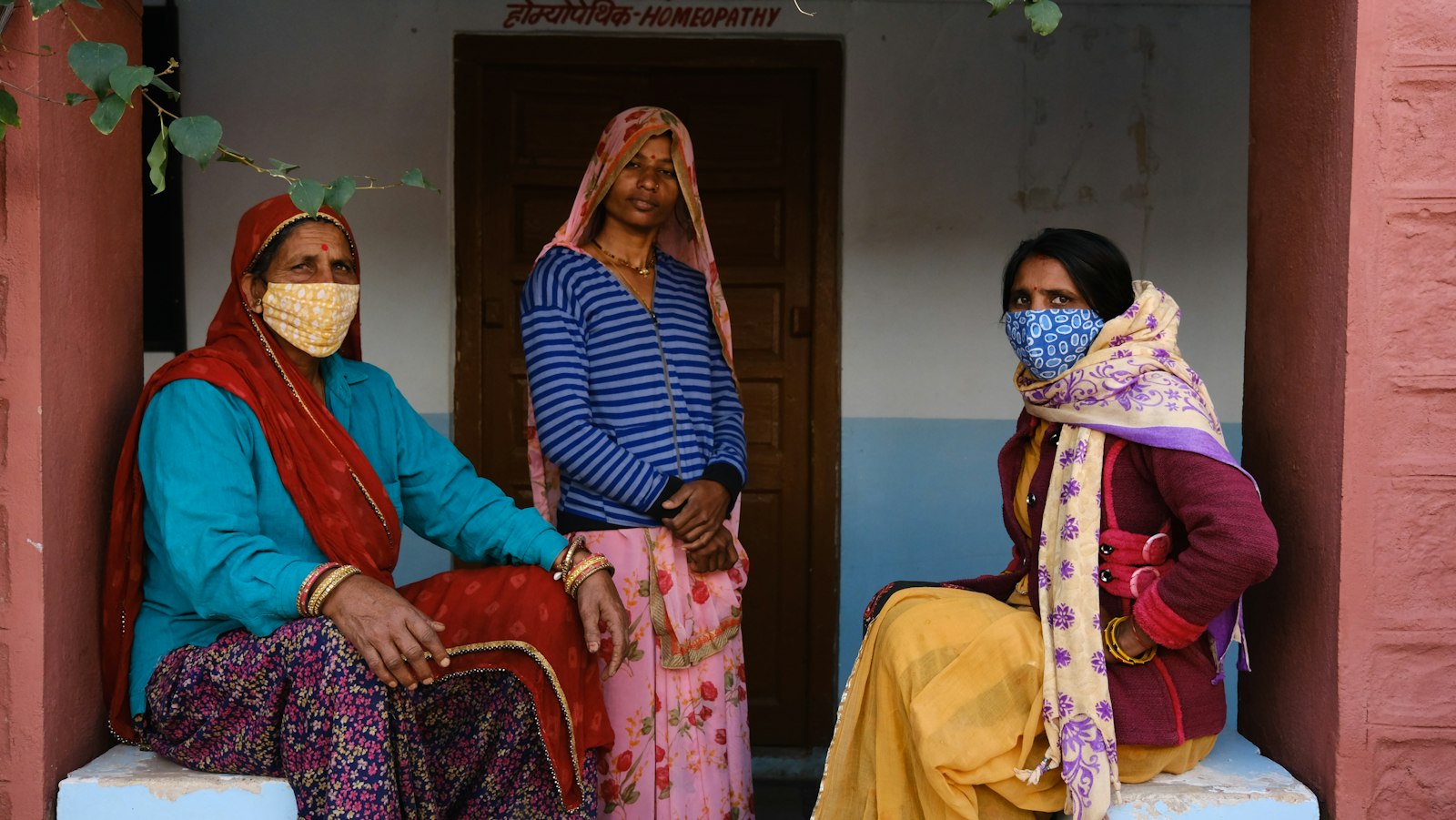
We keep overhead as low as we can and we will publish how every donation is spent, camp by camp. Save a Coin is a personal project of Dr. Vineel Pampati; a charitable trust has been applied for, and its registration details will be posted here once granted.
Questions about spending, partnerships, or the trust application: write to info@save-a-coin.com and Dr. Vineel's team will answer directly.
The bus does not move without fuel
Twenty-five dollars sends it to one more village. Two hundred and fifty runs a full camp. Whatever the amount, it goes on the road.
Payment happens on GoFundMe, our verified campaign page.